

Hi All,
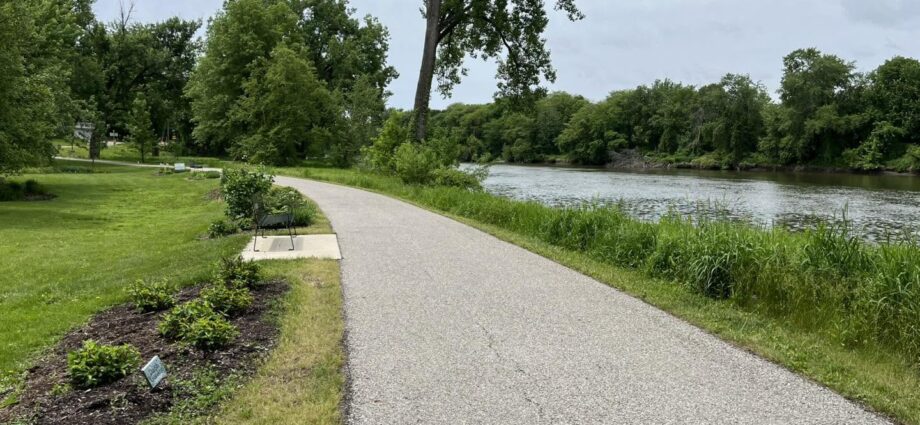
Week 1 at the PGG, here we go again! It was a nice morning when 13 Project GREEN volunteers met to begin their 2026 adventures in gardening. Our meeting time of 9 a.m. was 60 degrees F (Fahrenheit) and when 11 a.m. rolled around it was 70 degrees F. Since January 1, Iowa City has collected 10.41 inches or 10.77 inches of rain. Data collection within Iowa City’s boundaries has improved to the point two measures are accurate as rain amounts. Monday’s morning air quality was 33, determined satisfactory or good.
It was fun to see our PG friends and share happenings since last we met. Those in attendance were: Diane Allen 9 a.m. to noon, Jim Peters 8 a.m. to 11:45 a.m. and extra time of 1 1/2 hours, Rina Sjolund, Kate Ebinger, Susan Ahrens, Lisa Haverkamp MG hours, Linda Bergquist, Chris Ostrander, Monica Hoherz, Pat Yeggy, Paula Sanan 2 1/2 hours, Cindy Parsons 9:45 to noon, Sue Mullins 9 – noon. Unless marked differently, volunteers arrived at 9 a.m. and left at 11:00 a.m. If anyone is forgotten or has hours yet to be reported, please let me know. I will do my best to record our work sessions accurately. Last year (2025), volunteers donated over 1200 hours caring for the PGG. Honestly, I stopped counting hours after our celebration brunch in November. Let’s put it this way, it was an extra-ordinary year with LOTS of accomplishments.
Our goal for Week 1 was clearing and weeding flower beds that will soon be filled with beautiful flowers from Pleasant Valley Greenhouses. Our list of beds is a long one, with many being very large. Here are pictures showing the debris collected from Week 1:
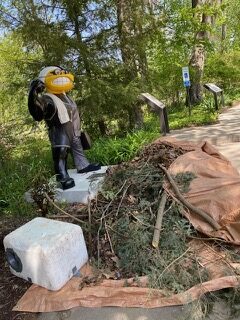
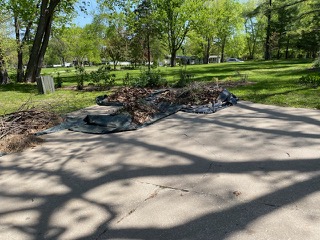
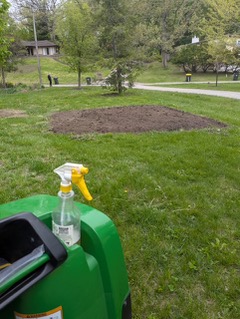
veryone worked very hard and soon our time together was over. There was LOTS left to do when our time ran out. As I always say, we all have job security at the PGG! Fortunately, project manager Ed Rinderspacher followed up after we left on Monday! His goal is to clear and weed what needs to be done for our Week 2 planting canna lilies and elephant ears.
Here are some pictures at the end of Tuesday’s work for Ed:
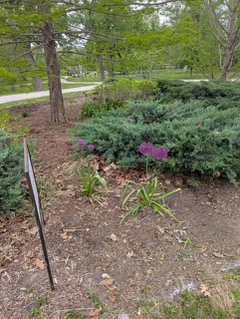
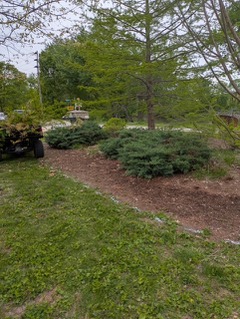
I just got an email from Ed, 11:52 a.m. He reported hearing orioles once again at PGG! Has anyone else seen or heard them?
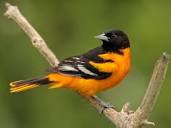
According to Safari, Orioles are medium-sized, sturdy-bodied songbirds with a thick neck, long legs, and pointed bill. Adult males have an entirely black head and back with an orange rump. Fingers crossed, click here to hear their song.https://www.youtube.com/watch?v=uiXMKtR4JLo
Thanks so much for caring for the Project GREEN Gardens! Project GREEN volunteers are a team that wants to make something good in this world. That’s a fine cause. YOU all are special and appreciated.
On April 3, I sent a message to All, which included this paragraph.
“As always, things happen at the PGG when we’re not around. Jim Peters and Cindy Parsons have taken turns driving “Fern” a couple times a month since last October. Sticks and branches have been collected and put into a pile near the new fire-pit. In February, Project GREEN volunteers and Master Gardeners met for a seed sowing project, year 2. 66 milk jugs filled with soil and flower seeds were planted and spent the rest of winter on the Ashton House patio. This project was headed by Sue Mullins. Susan Ahrens has watered as needed throughout the patio time. I am estimating 50 hours have been spent on these early season activities. If anyone has donated time and energy at the PGG since we began 2026, please let me know.”
Here are the numbers after Week 1. Early season activities + Seed Sewing & Planting Party + Week 1 = 50 hours + 60 1/2 hours + 30 1/2 = 141 hours + writing time (by me) for Week 1, 3 hours
= 144 hours for Project GREEN volunteers!
Please remember to keep track of any extra time spent working at/for the PGG.
Our next session together will be Monday, May 11 from 9 – 11 a.m. Our goal is to plant canna lilies and elephant ears throughout the PGG. We will use Auggie and our favorite shovels for this task. Shall we place flags at spots where the rhizomes and bulbs are dug in? This will help us when planting our flowers which will be Week 3.
Looking forward to Week 2! Until then, happy gardening! Diane
How to Plant Canna Lily Bulbs
For outdoor planting, dig holes that are four to six inches deep, and two feet apart for tall varieties and one foot for the others. Then dig in a little peat moss and perlite. For planting in pots, fill a large pot to within six inches of the top with a well-draining potting mix into which you have added a little peat moss and perlite. Place one rhizome into each hole. If your pot is large, you can plant two or three cannas in each pot. Backfill your pot or hole with additional soil until the rhizomes and roots are well covered. Gently pat down the dirt around the base. Water your new plant well and expect it to begin sending out new leaves and, when the weather is warm, flowers.
How to Plant Elephant Ear Bulbs
Pre-Planting Preparations Selecting the Right Location: Elephant ears love sunlight and partial shade. A spot that receives ample morning sun and afternoon shade is ideal for planting elephant ear bulbs. Soil Preparation Tips: These plants favor rich, moist, well-draining soil. Amending your garden bed with compost can improve soil health and moisture retention for elephant ear bulb planting. Tools Required for Planting: Basic gardening tools, including a shovel or garden fork, gloves and a watering can, are necessary for those looking to plant elephant ear bulbs. Planting Process Digging the Planting Hole: The hole should be deep enough to easily accommodate the bulb. Between 2–5″ is the ideal depth for elephant ear bulb planting. Proper Spacing and Depth: Space the bulbs about 2–3′ apart, depending on the variety, to allow enough room for growth, which is key in planting elephant ear bulbs. Placing the Bulbs Correctly: Ensure the bulb’s pointed end faces upwards when planting. Post-Planting Care Watering Guidelines: Keep the soil consistently moist but not waterlogged. Fertilization Tips: A balanced, slow-release fertilizer can promote lush growth. Mulching Strategies: Apply a layer of mulch to retain moisture and regulate soil temperature.